

Set your dates and park tickets
Disney trip planning starts with two non-negotiable choices: when you go and how many days you spend in the parks. These decisions lock in your budget and determine whether you can book popular dining or experiences later. If you wait until the last minute, you risk missing out on the best hotel rates and fully booked park calendars.
Choose your travel window
Pick dates that fit your budget and energy levels. Late August and September often offer the lowest ticket prices because schools are back in session, but expect higher heat and humidity. If you prefer cooler weather and longer lines, consider late January or February, keeping in mind that special events like the Food & Wine Festival or marathon weekends can drive up costs. Avoid major holidays unless you are prepared for peak crowds and premium pricing.
Decide on ticket length
The sweet spot for a first-time visit is usually five days. This allows enough time to cover all four Walt Disney World theme parks without rushing, while leaving room for rest days or pool time. Adding extra days increases the cost per day slightly but spreads out the experience. If you are short on time, three days is the minimum to hit the highlights, but you will likely have to prioritize heavily.
Buy tickets early
Purchase your park tickets as soon as your dates are set. Ticket prices often increase closer to the travel date, and certain date-based tickets may sell out during peak seasons. You can usually modify your dates later if needed, but securing the admission now protects your base plan. Visit the official Disney Parks site to compare options and check for any current promotions.
Choose the right resort hotel
Your Disney trip planning starts with where you sleep. Disney categorizes its resorts into three main tiers: Value, Moderate, and Deluxe. Each level offers a different balance of price, location, and amenities. Picking the right one depends on your budget and how much time you want to spend traveling to the parks.
Compare resort tiers
Use this comparison to see how the categories stack up against each other. The jump from Value to Moderate often brings significant quality improvements in rooms and dining, while Deluxe offers the best location and premium perks.
| Category | Price Point | Transport Time | Key Amenities |
|---|---|---|---|
| Value | $ | 15-25 min | Large pools, basic dining, bus transport |
| Moderate | $$ | 10-20 min | Themed pools, table-service dining, monorail/bus |
| Deluxe | $$$ | 5-15 min | Fine dining, water slides, monorail/skyliner |
Weigh on-site benefits
Staying on property costs more than off-site hotels, but it includes specific advantages that simplify your Disney trip planning. Guests get Early Theme Park Entry, allowing them to enter any park 30 minutes before standard opening time. This is particularly useful for popular rides like Tron or Guardians of the Galaxy.
On-site guests also benefit from complimentary transportation via buses, monorails, skyliners, and boats. You do not need to rent a car or worry about parking fees, which can add up quickly. Additionally, on-site hotels allow you to book dining reservations 60 days before your trip, rather than the standard 60 days from check-in for off-site guests. This extra window helps secure tables at hard-to-get restaurants like Cinderella’s Royal Table.
Match your budget and style
If you plan to spend most of your day in the parks and only sleep at the hotel, a Value resort might be the best fit. These properties are clean and fun but have smaller rooms and limited dining options. Moderate resorts offer a middle ground with more immersive themes and better food choices. Deluxe resorts are ideal for families who want luxury, character dining, and the shortest commute to the parks.
Check the official Disney Parks site for current pricing and availability, as rates fluctuate heavily by season.
Book dining reservations early
Table-service meals at Walt Disney World fill up faster than any other experience. Unlike ride wait times, which fluctuate throughout the day, popular restaurants have a fixed number of seats. If you wait until you are in the parks to look for a table, you will likely find yourself eating late or skipping the experience entirely.
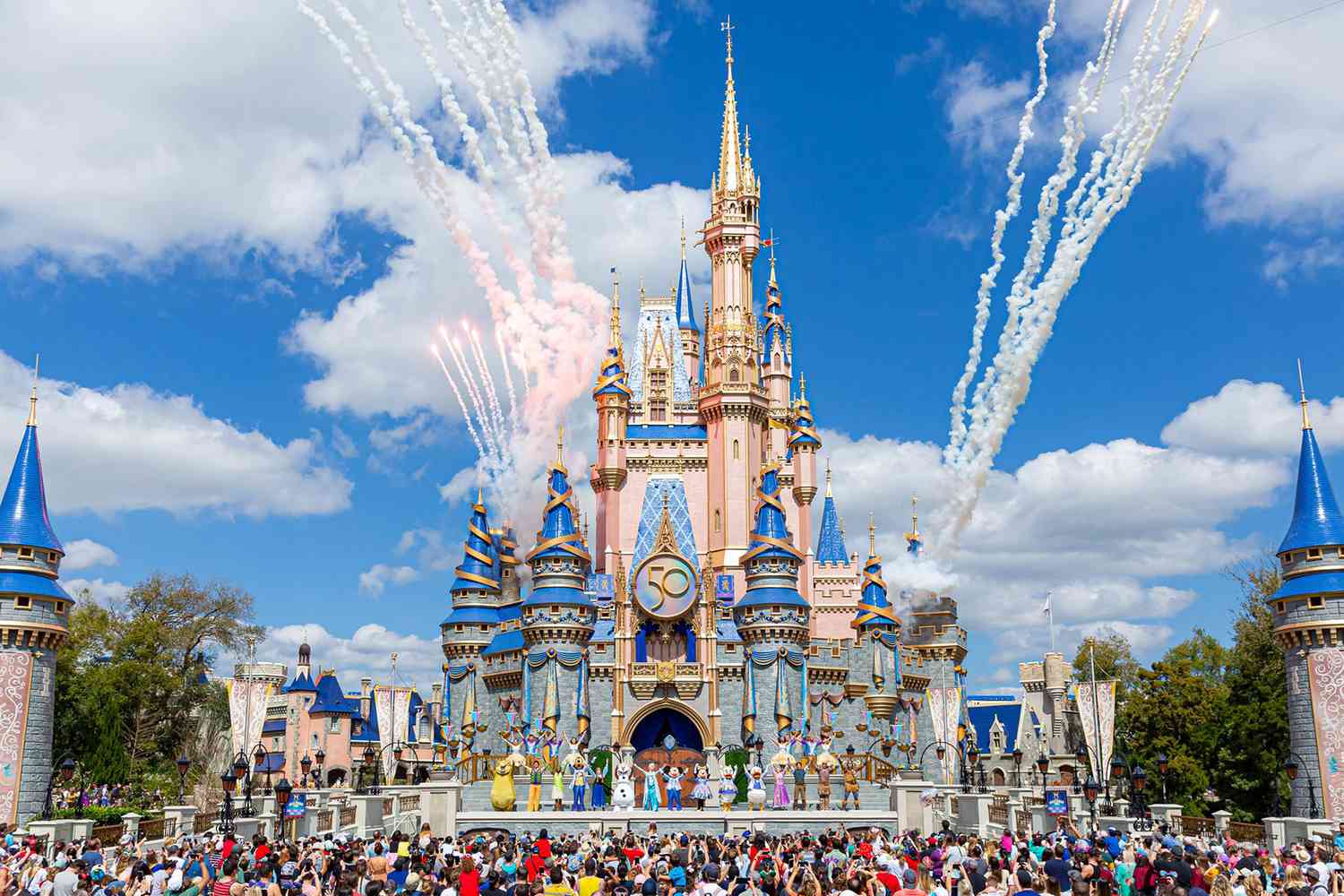
Ensure you have a valid account linked to your ticket or hotel reservation. You must be logged in before the 6:00 AM ET window opens to avoid delays.

Do not try to book every meal. Pick the three to five table-service experiences that matter most to your group. Popular spots like Cinderella’s Royal Table, Be Our Guest, and Chef Mickey’s often sell out within minutes of the window opening.
Log in exactly at 6:00 AM Eastern Time. Use the official Disney app or website. If a time is unavailable, try a different time slot or a nearby restaurant, but do not linger on a single sold-out option.

If your preferred restaurant is full, check the app every day. Guests frequently cancel reservations, especially as their travel dates approach. A spot that was unavailable on day one might open up two weeks later.
This approach to Disney trip planning saves hours of walking and stress. By securing your meals in advance, you free up your park days to focus on rides and entertainment rather than hunting for food.
Plan daily park itineraries
Building a realistic Disney trip planning schedule requires balancing ambition with energy management. The 3/2/1 rule is a proven framework for this: aim for three rides, two entertainment experiences, and one planned meal or treat each day. This structure prevents the common mistake of overcommitting to a "must-do" list that leads to exhaustion by mid-afternoon.
Start by locking in your one planned meal. Whether it’s a character breakfast or a quick-service lunch, anchoring your day to a specific time provides a necessary break from the heat and crowds. Use this pause to recharge before tackling the afternoon block.
Next, slot in your two entertainment experiences. These are typically shows, parades, or fireworks that have set times and require less physical exertion than riding attractions. Placing these during the hottest part of the day (2–4 PM) helps mitigate fatigue while keeping you engaged with the park’s atmosphere.
Finally, fill the remaining time with your three rides. Focus on high-demand attractions early in the morning or late at night when lines are shortest. By limiting your core goals to this small number, you reduce decision fatigue and allow flexibility for spontaneous moments or unexpected delays.

Schedule your first meal reservation or quick-service stop early. This creates a fixed point in your itinerary that forces a rest break, helping you avoid burnout before the day ends.
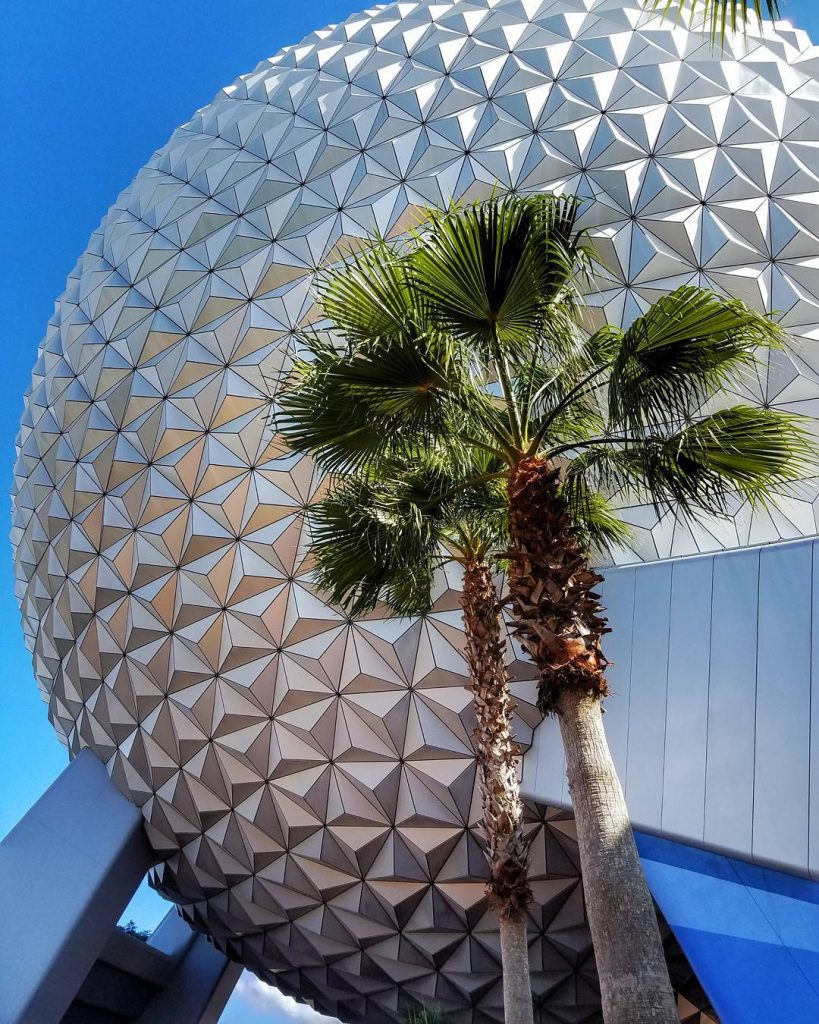
Identify two entertainment options with set times. These are ideal for the midday slump, offering air conditioning and a chance to sit while the park temperature peaks.
Choose three attractions to target. Hit these during lower-traffic windows like early morning or late evening to maximize enjoyment and minimize wait times.
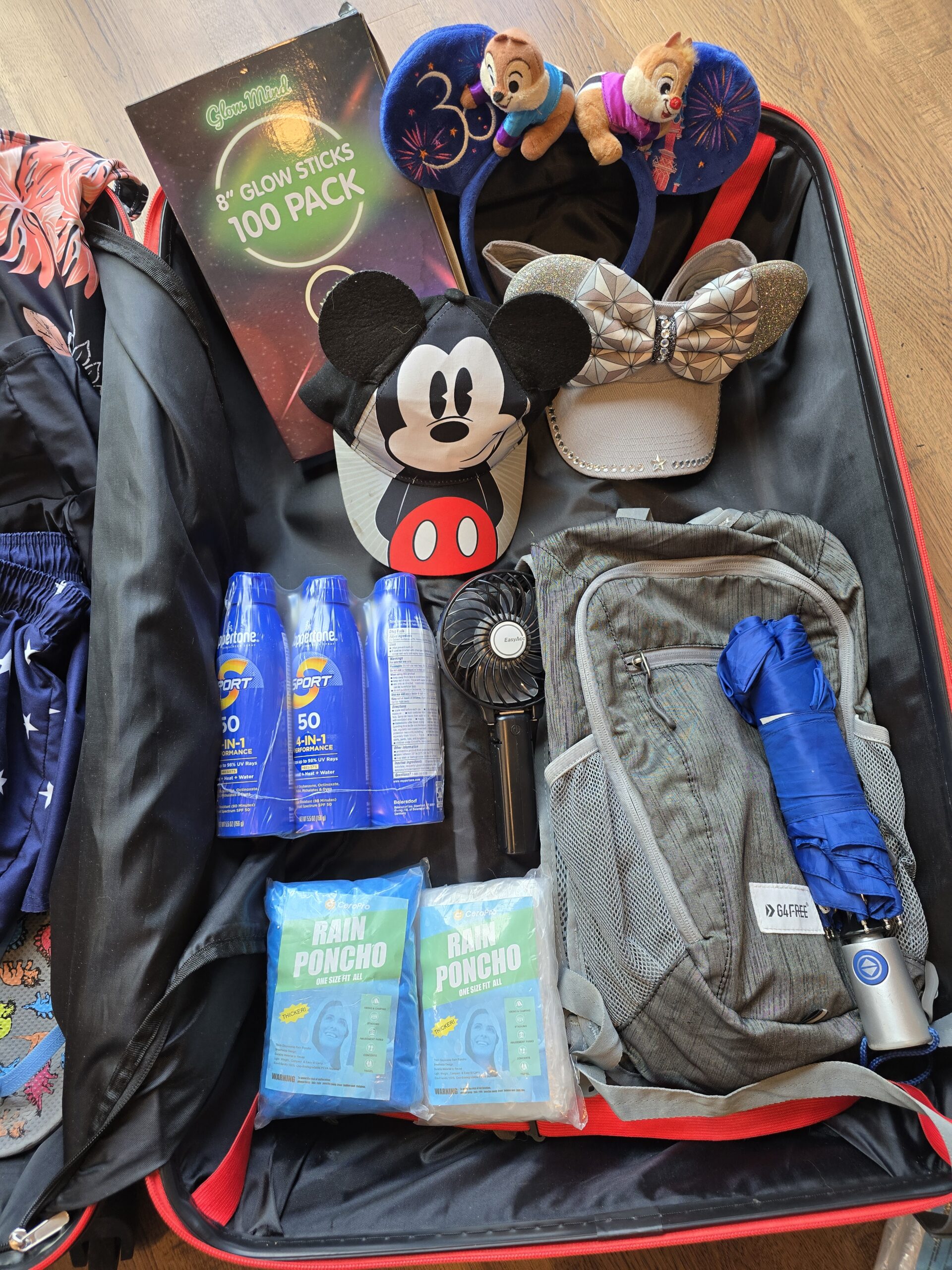
Do not schedule every minute. Leave gaps between your 3/2/1 items to account for travel time between lands, unexpected line lengths, or simply wandering and enjoying the ambiance.
Navigate Disney transportation
Getting around Walt Disney World is part of the adventure. Disney operates a free, extensive network of buses, monorails, and boats that connects all resorts to the four theme parks, Disney Springs, and water parks. You do not need a rental car to move between locations, though having one can be useful for off-property errands.
Use the mobile app for logistics
Before you leave your room, check the official app for real-time wait times and transportation schedules. It shows exactly when the next bus or monorail is arriving. This prevents you from waiting at a stop for twenty minutes when the next one is five minutes away.
Choose the right mode for your destination
Monorails are the fastest way to reach Magic Kingdom and the Contemporary, Polynesian, and Grand Floridian resorts. They run frequently and offer scenic views of the lake. Buses serve most other resorts and Disney Springs. Boats are slower but provide a relaxing way to travel between Epcot, Hollywood Studios, and nearby resorts like the BoardWalk Inn.
Allow extra time for transfers
Disney transportation is reliable, but it requires patience. Buses may stop at multiple hotels before reaching the park entrance. During peak hours, you might wait for multiple buses to clear before boarding. If you have a dining reservation, aim to arrive 45 minutes early to account for these potential delays.
Finalize packing and app setup
Your Disney trip planning comes down to these final logistics. Download the official app before you leave. Link your tickets, hotel reservations, and dining plans inside the app so everything is ready when you land.
Pack light but smart. Bring comfortable walking shoes, sunscreen, and portable phone chargers. The app handles the rest.
-
Download the official app
-
Link all tickets and reservations
-
Set up Mobile Order for breakfast
-
Pack chargers and comfortable shoes
-
Print backup copies of tickets
Common disney planning: what to check next
Disney trip planning often involves navigating specific rules and budget questions. Here are answers to the most frequent inquiries from travelers.
No comments yet. Be the first to share your thoughts!