

Plan the route
Use this section to make the The Magical Vacation Blueprint decision easier to compare in real life, not just on paper. Start with the reader's actual constraint, then separate must-have requirements from details that are merely nice to have. A practical choice should survive normal use, maintenance, timing, and budget. If a recommendation only works in an ideal situation, call that out plainly and give the reader a fallback path.

-
Verify the basicsConfirm the core specs, condition, and fit before comparing extras.
-
Price the downsideLook for the repair, maintenance, or replacement cost that would change the decision.
-
Compare alternativesCheck at least two comparable options before treating one listing as the benchmark.
Stops worth prioritizing
Not every gate at the gates deserves equal time. With limited vacation days, you need to separate the must-see stops from the optional detours. This breakdown helps you allocate your morning energy where it counts, ensuring you hit the iconic experiences before the crowds thicken.
Magic Kingdom: The Non-Negotiable Core
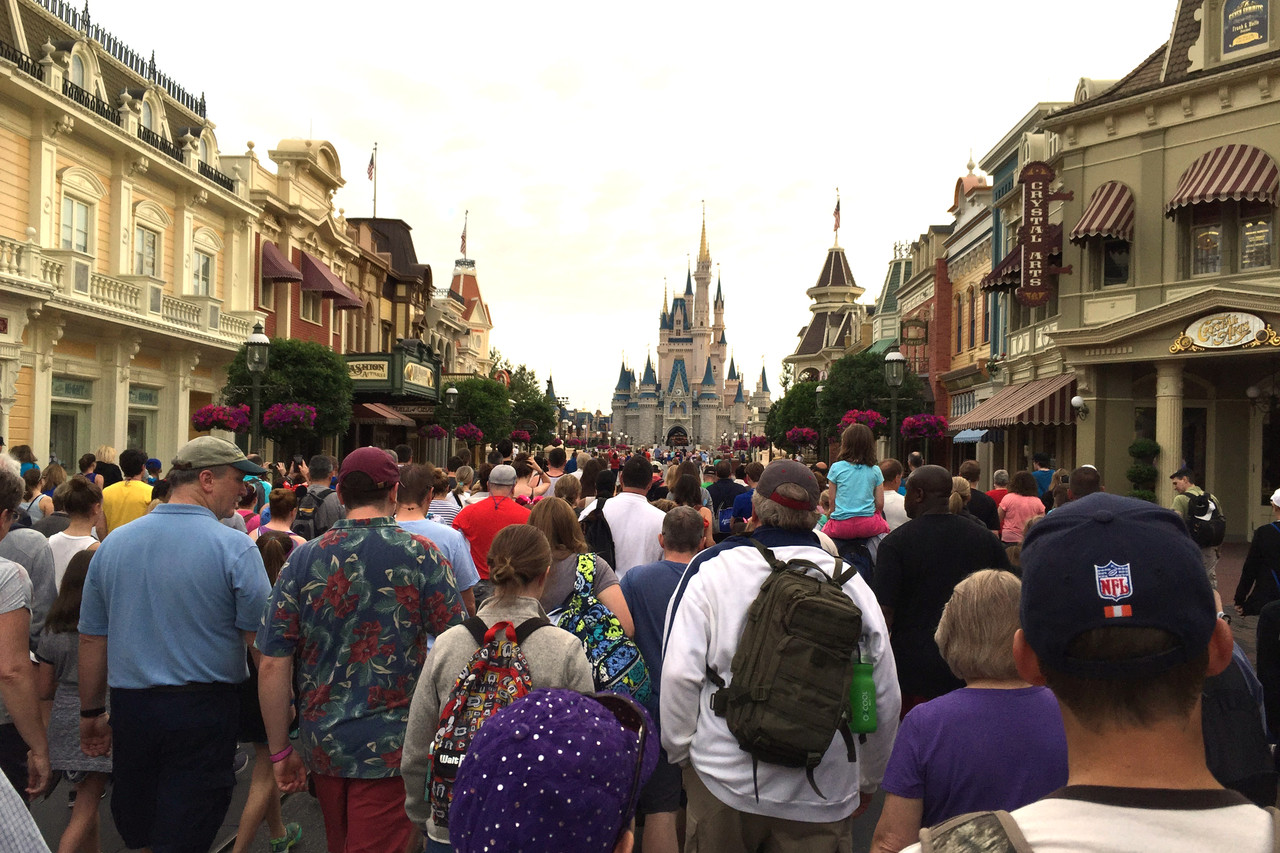
Magic Kingdom is the heart of the resort. If you only have time for one park, this is it. Focus on the classic attractions like Space Mountain and Pirates of the Caribbean early in the day. The evening fireworks show is the anchor event, so plan your afternoon to secure a viewing spot along Main Street U.S.A. or in front of Cinderella Castle by 6:30 PM.
EPCOT: Dining and Rides
EPCOT is a hybrid of high-thrill rides and culinary exploration. Prioritize Remy’s Ratatouille Adventure for the family, then pivot to the World Showcase. The key here is pacing. Spend your late afternoon moving between pavilions, trying small plates at each table-service or quick-service location. This turns the walk into the experience itself. For dinner, book a reservation at a signature restaurant like Victoria & Albert’s or The Hollywood Brown Derby if available, otherwise, stick to the popular spots in the UK or France pavilions.
Hollywood Studios: Star Wars and Marvel
This park is dense with popular IP but suffers from high wait times. Your priority is Star Wars: Rise of the Resistance. Enter the queue as soon as the park opens or use Genie+ to book a return window immediately. If you are visiting with younger children, prioritize Toy Story Land and Mickey & Minnie’s Runaway Railway. The Twilight Zone Tower of Terror is a secondary priority unless you have a specific affinity for thrill rides.
Animal Kingdom: The Early Bird Special
Animal Kingdom closes earlier than the others, and the heat can be oppressive by midday. Prioritize Avatar Flight of Passage at the very start of the day. After that, see the Na’vi River Journey. If you have energy left, the Kilimanjaro Safaris are best in the early morning or late afternoon when the animals are most active. Avoid the midday heat by scheduling indoor shows like Festival of the Lion King during the hottest hours.
The Optional Detours
Skip the Disney Springs shopping district if you are short on time; the retail experience is standard and easily replicated elsewhere. The water parks (Typhoon Lagoon and Blizzard Beach) are often overlooked by first-timers but offer a genuine respite from the theme park crowds. If you have extra days, consider the ESPN Wide World of Sports Complex for a unique viewing experience, but do not sacrifice park time for these unless you are specifically interested in sports events.
Timing and logistics
Getting around Walt Disney World requires a mix of patience and planning. The resort is massive, and traffic patterns can shift quickly depending on park hours, weather, and special events. Treat your transportation like a puzzle: every piece matters, and one wrong move can cost you valuable time.
Parking and Arrival
If you’re driving to the parks, arrive 45–60 minutes before your scheduled park time. Main Entrance Traffic Control points often have long lines, especially during peak season. Once you park, note your section number; the lots are huge, and finding your car later can feel like a scavenger hunt. Most resorts offer complimentary parking for guests, but check your hotel’s specific policy if you’re planning day trips outside the property.
Resort Transportation
Disney’s internal transit system is free and extensive. Buses run from all Disney hotels to the four main theme parks, Disney Springs, and the water parks. They typically start running 45–60 minutes before park opening and continue until 1–2 hours after closing. Frequency varies, but expect buses every 20–30 minutes during peak hours.
For a faster route, consider using Disney Skyliner gondolas from select resorts (like Caribbean Beach, Pop Century, and Art of Animation) to Epcot and Hollywood Studios. It’s efficient and offers great views, but it doesn’t serve Magic Kingdom or Animal Kingdom. Ferries and monorails connect Magic Kingdom area resorts and provide scenic access to the parks, though they can get crowded.
Reservation Windows
Dining reservations open 60 days in advance for all guests, with a 10-day rolling window for on-site hotel stays. For popular character meals or signature restaurants, book exactly at the 60-day mark. Transportation reservations aren’t needed for standard buses or monorails, but if you’re using a Minnie Van service via the Lyft app, you’ll need to book in advance during high-demand periods.
Local Caveats
Traffic on World Drive and Buena Vista Drive can be heavy during park opening and closing times. If you’re staying off-site, factor in extra travel time. During special events like Mickey’s Not-So-Scary Halloween Party, regular park hours are suspended, and transportation schedules adjust accordingly. Always check the official Disney Parks app for real-time updates on wait times, transportation status, and park closures.
Disney trip planning: what to check next
Planning a Walt Disney World vacation in 2026 involves juggling hotel upgrades, dining windows, and transportation logistics. Use this section to clear up common confusion before you book.
No comments yet. Be the first to share your thoughts!