

Start with dates and park reservations
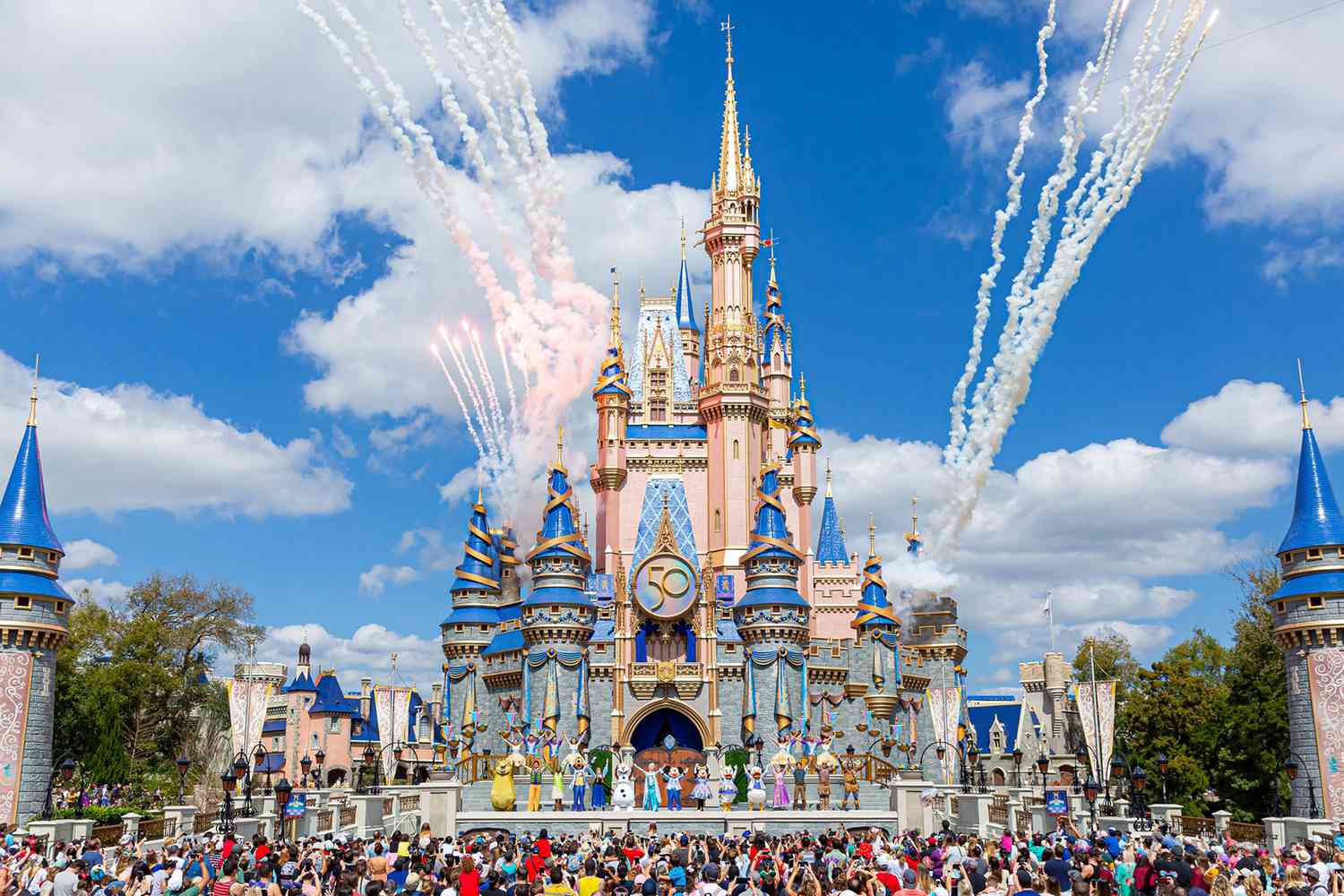
Before booking flights or hotels, lock in your park entry dates. This is the most critical step in Disney trip planning because a ticket does not guarantee entry. Both Walt Disney World and Disneyland use a Park Pass reservation system requiring you to reserve a specific theme park for each day, separate from your admission ticket.
Check the official reservation calendar for the specific parks you want to visit. Availability changes daily based on expected attendance. Peak dates like holidays or summer weeks sell out months in advance. If your preferred park is sold out, adjust your dates or consider a Park Hopper ticket, which allows entry to a second park after 2:00 PM subject to availability.
If you stay at a Disney Resort hotel, you can make Park Pass reservations up to 7 days in advance for the entire length of your stay (up to 14 days). Off-site guests can only make reservations one day at a time, starting at 7:00 AM Eastern Time. This makes the morning window highly competitive. Always double-check your confirmation emails to ensure the park name and date match your plans exactly.
Book lodging and dining early
Securing where you sleep and what you eat requires acting the moment booking windows open. Disney operates on a high-demand model where availability vanishes quickly. Treat these reservations as your first priority to prevent settling for compromised options later.
Lock in your resort stay
Your accommodation sets the tone for the vacation, from transportation logistics to early park entry benefits. Disney Resort hotels often sell out months in advance, especially during holidays and summer breaks. Booking early ensures you secure a room type that fits your needs, whether a standard room or a villa with kitchen facilities.
Consider consulting an authorized travel agency for package deals. Professionals can monitor availability and alert you to promotions. However, the initial booking should happen as soon as your travel dates are confirmed to guarantee your preferred resort tier.
Reserve character dining immediately
Character dining offers a unique opportunity to meet Disney personalities in a relaxed, seated environment. These experiences are incredibly popular and often book up 60 days before your arrival. Waiting until the last minute usually results in a lack of availability or less desirable time slots.
Plan your dining reservations around your park schedule. If you have a morning park reservation, a breakfast character meal might be too rushed. Target lunch or dinner slots that align with your rest periods. Prioritize meals that offer the most value, such as Be Our Guest in Magic Kingdom or Chef Mickey’s at the Contemporary Resort.
Balance convenience with budget
Disney Resort hotels offer tiered pricing: Value, Moderate, and Deluxe. Early booking allows you to secure a Moderate resort at a lower rate before prices increase. Staying on-site provides complimentary transportation and extended evening hours at certain parks, which can save money on transport and add extra park time.
Consider the total cost. A slightly more expensive resort that includes free breakfast or dining credits might save you money overall compared to a cheaper off-site hotel plus three meals out. Use the early booking window to compare these total costs.
Build a daily park itinerary
A generic list of rides is not a plan. To make the most of your Disney trip planning, build a structured daily itinerary that accounts for wait times, show schedules, and the need for rest. Start by selecting your primary planning tool. Touring Plans is widely considered the industry standard for generating dynamic itineraries using historical crowd data. Their software suggests the most efficient route through the parks, helping you avoid backtracking and minimize line time.
Use your itinerary as a guide, not a law. If a ride has a 10-minute wait when your plan says 45, take it. If a show is starting in five minutes, go to the show. The best Disney trip planning provides a safety net, allowing you to adapt to the day’s actual conditions while still hitting your priorities.
Navigate Disney transportation options
Getting around Walt Disney World is straightforward once you understand the network. The resort operates as a self-contained ecosystem where free transportation connects your hotel, the four main theme parks, Disney Springs, and the water parks. You rarely need a car unless you are visiting off-property locations.
The primary modes of transit are buses, monorails, boats, and the Skyliner. Each serves specific geographic zones. Your choice depends entirely on where you are staying and where you are going.

Buses: The Universal Connector
Buses are the backbone of Disney transportation. They run between every Disney Resort hotel and all four theme parks, Disney Springs, and the water parks. If you are staying at a Value or Moderate resort, buses are likely your only option for park travel.
Buses run frequently, typically every 20 minutes, though wait times can spike during peak hours. Look for the designated stop signs at your hotel’s main entrance. Drivers announce each park by name, so listen for your destination to avoid boarding the wrong bus. Buses do not run between parks directly; you must return to your hotel or a transportation hub to transfer.
Monorails: The Express Loop
The monorail system serves three distinct lines. The Resort Line loops through the Contemporary, Polynesian, and Grand Floridian resorts, stopping at Magic Kingdom and Epcot. The Express Line runs directly from the Transportation and Ticket Center (TTC) to Magic Kingdom.
The monorail is often the fastest way to reach Magic Kingdom from the TTC or nearby resorts. It offers scenic views of the Seven Seas Lagoon and Bay Lake. However, it does not stop at Disney Springs or Hollywood Studios. If you are staying at a monorail resort, you can walk to the station or take a short boat ride.
Boats: Scenic Water Transit
Ferries and motorboats provide water-based transport to Magic Kingdom, Epcot, Hollywood Studios, and Disney Springs. The main ferries depart from the TTC and run continuously to Magic Kingdom. Smaller motorboats connect nearby resorts like the Fort Wilderness Campground and the Contemporary Resort.
Boats are slower than buses or monorails but offer a relaxing alternative. They are particularly useful for reaching Hollywood Studios from the Disney’s Yacht Club, Beach Club, or BoardWalk Inn. Water transit is weather-dependent. During thunderstorms, boats may be suspended for safety, making buses the primary option.
Skyliner: The Gondola Network
The Disney Skyliner is a gondola system that connects Disney’s Caribbean Beach Resort as a central hub to Epcot, Hollywood Studios, and several Value resorts (Art of Animation, Pop Century). It is the newest and most efficient way to reach these destinations.
Gondolas run continuously with minimal wait times. The ride to Epcot takes about 10 minutes, while Hollywood Studios takes slightly longer. Transfers are required at Caribbean Beach Resort to switch between the Epcot and Hollywood Studios lines. The Skyliner does not operate during severe weather or maintenance periods.
Planning Your Transit Strategy
Efficient Disney trip planning relies on matching your transportation mode to your itinerary. If you are visiting Magic Kingdom, staying at a monorail resort or using the TTC ferry saves time. For Epcot and Hollywood Studios, the Skyliner or boats are often faster than buses. Always allow extra time for transit during park opening and closing. Use the My Disney Experience app to check real-time wait times and schedule estimates.
Finalize packing and app setup
With your itinerary locked and reservations confirmed, the final phase of Disney trip planning shifts to logistics. Start by downloading the My Disney Experience app and linking all tickets and hotel reservations. Test the mobile ordering feature for a quick-service location to understand the interface before you are hungry. Ensure everyone in your travel party has the app installed and is logged into their own accounts.
Packing for Disney requires a different mindset than a standard vacation. You will walk significantly more than you anticipate, so prioritize footwear and weather adaptability. The Florida climate is humid and prone to sudden afternoon thunderstorms. Pack lightweight, breathable clothing that dries quickly, along with a compact poncho for each person. Avoid cotton-heavy items that stay wet and heavy.
Don’t forget essential park items that save money and time. Bring refillable water bottles, portable phone chargers, and any necessary medications. A small backpack with sunscreen, hand sanitizer, and snacks can prevent expensive impulse buys.
-
Download My Disney Experience app and link all tickets
-
Test mobile ordering and Genie+ interface
-
Pack comfortable walking shoes and weather-appropriate layers
-
Include ponchos, sunscreen, and refillable water bottles
-
Prepare portable chargers and essential medications
Once these items are checked off, your Disney trip planning is effectively complete. You have minimized variables and maximized flexibility. Now you can focus on the experience itself, confident that the logistical foundation is solid.
No comments yet. Be the first to share your thoughts!