

Pick your travel dates and budget
Start by locking in your travel dates and setting a realistic budget before you book anything. Your dates dictate crowd levels, which directly impact your daily experience and costs. Use a crowd calendar from a reputable planner like Touring Plans to identify low-traffic windows. Generally, mid-January through early February and late August through September offer lower crowds and better resort rates, though you may encounter occasional rain or heat.
Aim for a trip length of about one week. This duration allows enough time to visit all four Disney World parks or both Disneyland parks without feeling rushed. Shorter trips often lead to burnout, while longer stays can dilute the magic if not carefully managed. If you choose a shorter window, prioritize your must-see attractions and accept that you might miss some secondary experiences.
Callout: Tip: Book 6–12 months out for popular resorts; off-peak seasons (January, September) offer lower rates.
Once you have dates, build a detailed budget. Account for flights, lodging, park tickets, meals, and souvenirs. Disney World meals add up quickly, so consider dining plans or budgeting for quick-service options. Remember that ticket prices vary by date and park tier, so your chosen dates will significantly influence your total cost. A clear budget prevents surprise expenses and lets you focus on enjoying the trip rather than worrying about money.
Choose the right Disney resort
Picking a hotel is the first real decision in your Disney trip planning. Your choice dictates your daily schedule, your budget, and how much time you spend commuting. The options generally fall into three on-site tiers and a wide range of off-site alternatives. You can compare these categories side-by-side below to see which fits your needs.
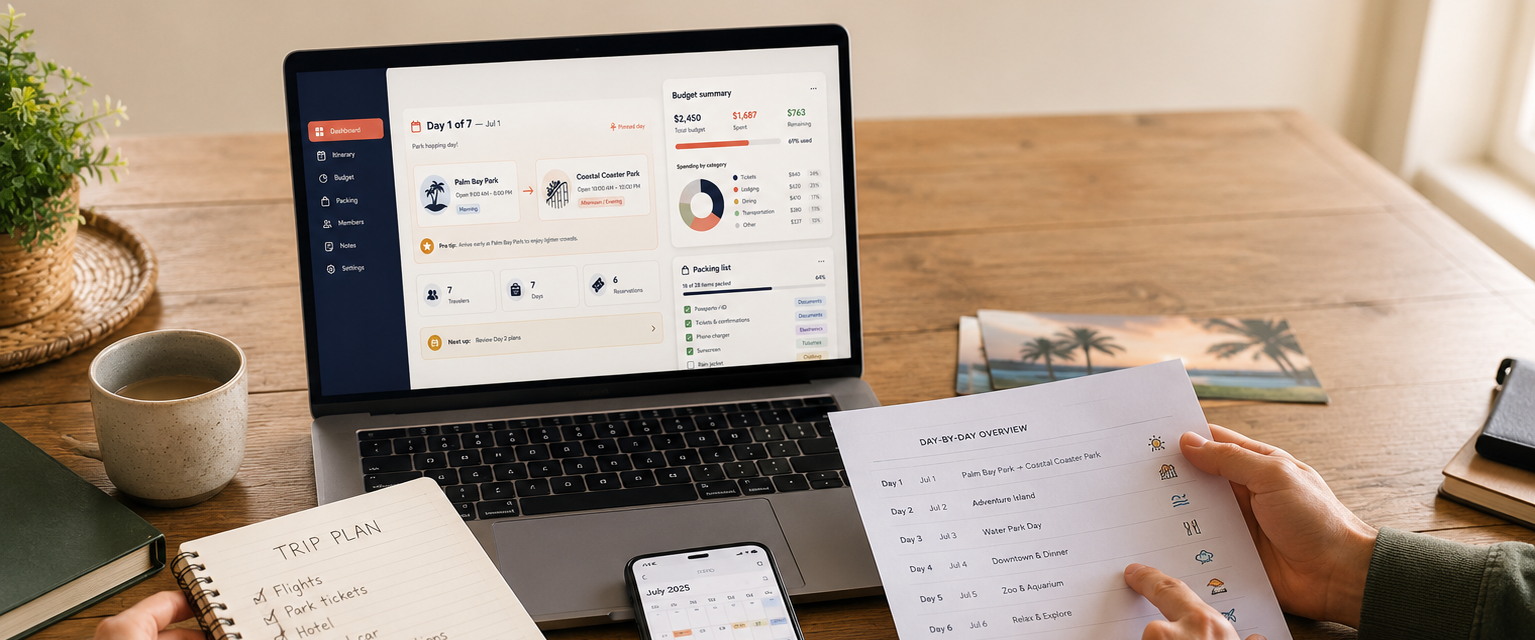
| Category | Avg. Nightly Rate | Transportation | Best For |
|---|---|---|---|
| Value | $150–$250 | Bus | Budget travelers |
| Moderate | $250–$400 | Bus/Ferry | Families wanting pools |
| Deluxe | $400–$800+ | All modes | Immersion & proximity |
| Off-Property | $100–$300 | Car/Uber | Kitchenettes & space |
Value Resorts
Value resorts are the entry point into the Disney World experience. They offer themed rooms, large pools, and free bus transportation to the parks. While the rooms are compact, the atmosphere is lively and family-friendly. This is the best choice if you plan to spend most of your day in the parks and just need a place to sleep.
Moderate Resorts
Moderate resorts strike a balance between cost and comfort. You will find more elaborate theming, better pool complexes, and sometimes boat or monorail access. These hotels are ideal if you want a break from the crowds without the premium price of a Deluxe property. The added convenience often saves an hour of travel time per day.
Deluxe Resorts
Deluxe resorts offer the most immersive experience, with locations inside or near the parks. You get access to monorails, skyboats, and walking paths to Magic Kingdom or Epcot. The rooms are larger, and dining options are extensive. This tier is worth the cost if you prioritize proximity and want to minimize transit time.
Off-Property Hotels
Staying outside the Disney property can significantly reduce your lodging costs. You often get more space, kitchenettes, and free parking. However, you must drive or use rideshare services to get to the parks, which adds variable time and cost to your day. This option works well for larger groups or those who prefer a standard hotel experience.
Book park tickets and dining reservations
Securing your entry to the parks and your table service meals is the foundation of a stress-free trip. These two bookings operate on different timelines, and missing either window can limit your options significantly. Treat this phase as locking in your non-negotiables before worrying about transportation or character meet-and-greets.
Purchase your tickets through the official Disney Parks website or app. Buying directly ensures you have access to all current promotions, park hopper options, and the ability to link reservations to your account immediately. Early purchase also helps you lock in your travel dates before potential price increases.

Once purchased, ensure every ticket is linked to the primary planner’s Disney account. This centralizes your reservations and makes it easier to modify plans later. You will need these linked tickets to make any further bookings, so verify they appear correctly in the "My Plans" section before moving on.
While you cannot book most table service restaurants until 60 days out, you can make advance dining reservations for select locations up to 180 days before your stay. Identify your top five must-try restaurants and set calendar reminders for when your window opens. Popular spots like Cinderella’s Royal Table or Chef Mickey’s fill up within minutes.
Starting exactly 60 days before your check-in date, you can book dining for your entire stay, up to 10 days. If you are staying at a Disney Resort hotel, this perk allows you to book meals for the whole trip at once. Use the official app to search for availability, as the website can sometimes be slower during peak booking hours.
Think of your park tickets as the gate and your dining reservations as the keys to the best experiences. Without tickets, you cannot enter. Without dining reservations, you may find yourself waiting in long lines for casual food or going hungry during peak meal times. Prioritize these bookings first, then fill in the rest of your itinerary.
How to navigate Disney transportation
Getting around Walt Disney World requires understanding the distinct networks that connect your resort, parks, and water parks. Each mode of transport serves specific geographic zones, so choosing the right one prevents wasted hours in transit.
Buses are the most widespread option, operating between all Disney resorts and the four main theme parks. They run frequently but can fill up quickly during peak hours. If you are staying at a Value or Moderate resort, buses are likely your primary method for reaching Magic Kingdom or EPCOT.
The monorail system offers a faster alternative for guests staying at the Magic Kingdom area resorts, such as the Contemporary, Polynesian, and Grand Floridian. It connects these hotels directly to Magic Kingdom and EPCOT, bypassing road traffic entirely. This makes it an efficient choice for early park entry or late-night departures.
For guests near Disney Springs or EPCOT, the Skyliner gondola system provides a scenic and quick route to Hollywood Studios and EPCOT’s International Gateway. It also connects to several Caribbean Beach Resort buildings. Ferries serve as a reliable, flat-water alternative to the monorail for reaching Magic Kingdom from the Transportation and Ticket Center.
Build your daily park itinerary
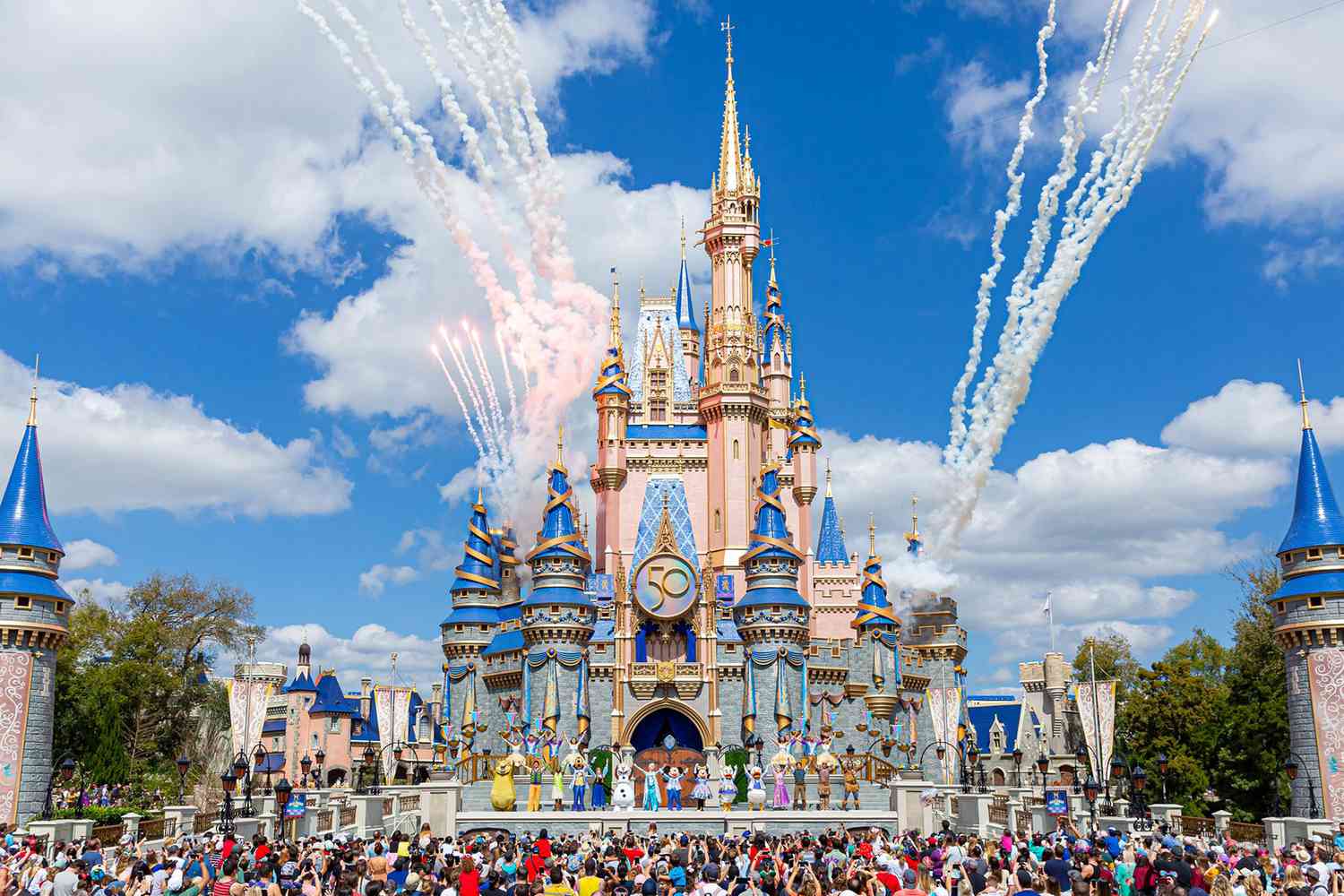
Start by locking in your park reservations and checking the official Disney calendar for operating hours. Use a planning tool like Touring Plans to identify low-crowd days, then map out a flexible route that minimizes backtracking. Treat this plan as a loose guide rather than a rigid schedule; parks change quickly, and flexibility is your best asset.
Next, make your Genie+ selections. You can book your first Lightning Lane slot at 7:00 AM on the day of your visit. Pick high-demand attractions early, then space out your remaining selections to fill gaps in your day. Remember that you can only hold one active reservation at a time until you use it or the return window passes.
Finally, review your itinerary for balance. Ensure you have time for meals, shows, and rest breaks. A packed schedule can lead to burnout, so leave room for spontaneous moments. If a ride has a long wait, consider watching a parade or enjoying a snack instead of standing in line.
-
Download the My Disney Experience app
-
Link all tickets and hotel reservations
-
Check weather forecasts for each day
-
Pack essentials: sunscreen, hats, and portable chargers
Common disney trip planning: what to check next
Planning a Disney World vacation involves navigating specific rules that can change quickly. Knowing how tickets work and what happens if your plans shift helps you avoid surprises. Here are the most common logistical questions first-timers ask.
Does the Park Hopper option expire at midnight?
The Park Hopper add-on allows you to visit more than one park in a single day. You must enter your first park for the day before hopping. After 2:00 PM, you can visit other parks as long as there is space. If you leave a park, you can return to it later without buying another ticket. This flexibility is useful if you want to catch evening shows or dinner reservations in a different location.
What is the cancellation window for dining reservations?
Dining reservations at Disney World can be modified or cancelled up to 24 hours before your scheduled time. If you cancel within that window, you may be charged a fee per person. For popular character meals or signature dining, it is wise to cancel as early as possible to free up slots for other guests. You can manage these reservations through the My Disney Experience app or website.
How long are Disney tickets valid after purchase?
Unused Disney tickets do not expire immediately after you buy them. They remain valid until the last date listed on the ticket itself, which is often several years from the purchase date. However, you must use the tickets within their validity period. If you buy a ticket today for a trip next year, the ticket will hold its value until that expiration date. Always check the specific expiration date printed on your ticket confirmation.
No comments yet. Be the first to share your thoughts!